
As the world changes, fuel is changing too. Nowadays, E20 ethanol blend fuel is growing and being used in vehicles and heavy-duty machinery daily. Therefore, fluctuations in ethanol content in fuel result in the low lubricity found in Ultra-Low-Sulfur Diesel. While there are many fuel additives on the market, they claim that they protect the engines of machines with high-quality systems.
Modern fuel systems need more care than ever. With E20 petrol blend, ultra-low sulfur (ULSD), gasoline direct injection (GDI), and high-pressure common rail (HPCR) diesel systems being standard, fuel quality directly influences the engine life, injector performance, combustion efficiency, and maintenance cost.
Why Fuel Additives Are Essential in 2026
Modern engine designs have tighter tolerances and high fuel injection pressures. While a small, minor amount of contamination can cause injector spray frequency. A sedan and a 20-ton hydraulic excavator rely on the same fuel delivery principles, just at very different scales. Direct injection (GDI) and high-pressure common rail (HPCR) systems work at high pressures that lead to:
Incomplete Combustion: It delivers high emissions and wasted fuel.
Pre-ignition(Knocking): It causes catastrophic piston and rod damage.
Cold Start Failures: In diesel engines, where paraffin wax crystallization (gelling) happens.
Carbon Deposits in GDI Engines
Gasoline Direct Injection (GDI) systems improve the fuel economy and power output, but they also improve carbon buildup around intake valves and injector tips. Excess carbon buildup can cause misfires, rough idle, poor acceleration, increased fuel consumption, and pre-ignition.
Ultra-Low Sulfur Diesel (ULSD) Lubricity Problems
Advanced modern diesel fuel contains low sulfur content to reduce emissions. While sulfur removal can reduce natural lubrication in machines like excavators, backhoe loaders, diesel generators, long-haul trucks, and industrial hydraulic equipment.
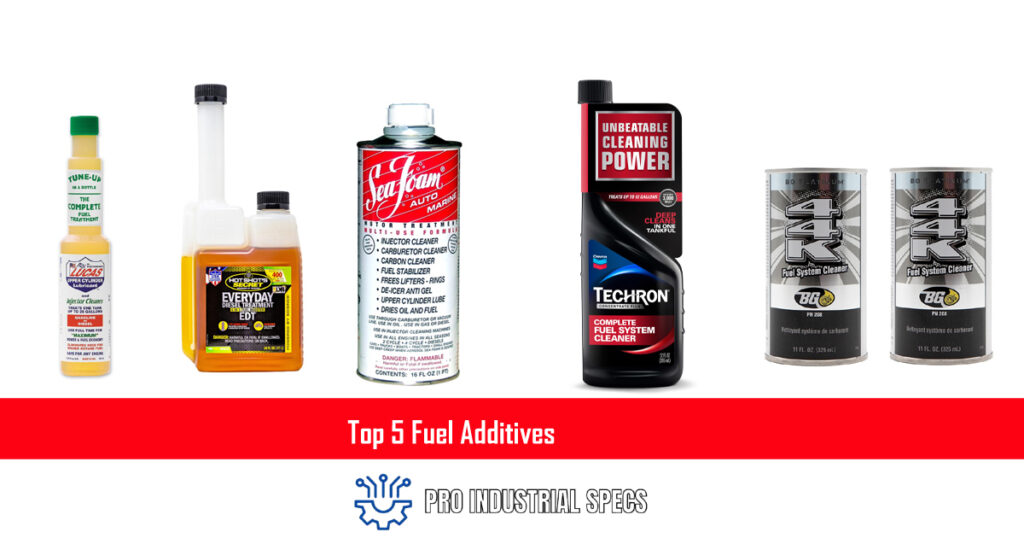
Top 5 Fuel Additives for 2026
- Techron Concentrate Plus (Best for Petrol Deep Cleaning)
Primary Component: Polyetheramine (PEA).
Best for: GDI engine, carbon-heavy fuel systems.
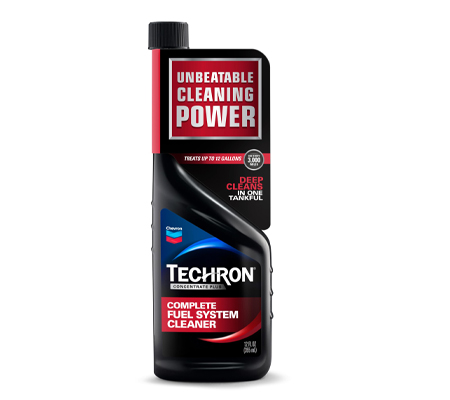
Techron remains in a prime position for petrol detergent technology, unlike other cheaper solvent-based cleaners, which evaporate at high temperatures. Techron uses a PEA(Polyetheramine) based detergent that does not affect the intense heat of the combustion chamber to clean the injectors, valves, and pistons.
Key Benefits:
Carbon Removal: Effectively clean the coke from injector tips and dissolve stubborn carbon.
Stability: In long-term storage, it protects the fuel from oxidation.
Compatibility: It is safe for all types of catalytic converters and oxygen sensors.
- BG Platinum 44K Fuel System Cleaner (The Professional’s Choice)
Primary Category: Certified Grade Fuel Additives
Best For: High-mileage
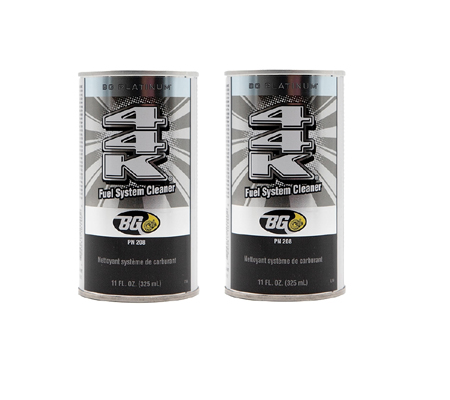
BG Platinum 44K is a frequently powerful weapon used by certified mechanics. It is a high-concentration fuel additive designed to be used less than maintenance-only additives. It is also designed and optimised to target modern turbo-charged engines. For each vehicle user, monitor their fuel burn, and BG 44k provides restoration of fuel automations, which directly manage or lower the specific fuel consumption (SFC) constant. - Hot Shot’s Diesel Treatment (EDT)
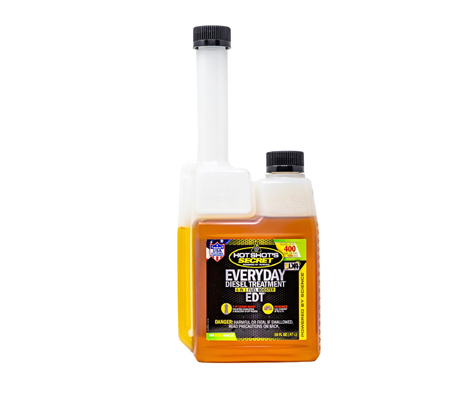
Primary Component: Cetane Enhancer and Lubricity Agents
Best For: Pilling rig, excavators, and Backhoe Loader
Therefore, diesel engines face challenges like a lack of lubricity in ULS diesel. Also, Hot Shot’s develops EDT 6-in-1 treatment that focuses on LX4 lubricity extreme, and restores the lubrication film required by fuel pumps and injectors to avoid premature wear.
Technical Advantage:
Cetane Boost: Increases the cetane number up to 7 points, facilitating faster ignition.
Demulsification: Separate the water from the fuel and captured by a water separator.
Anti-Gel: It offers major protection during the winter season.
- Lucas Fuel Treatment (Best for General Maintenance & Lubricity)
Primary Category: Lubricant and Cleaner
Best For: Regular use in petrol and diesel engines.
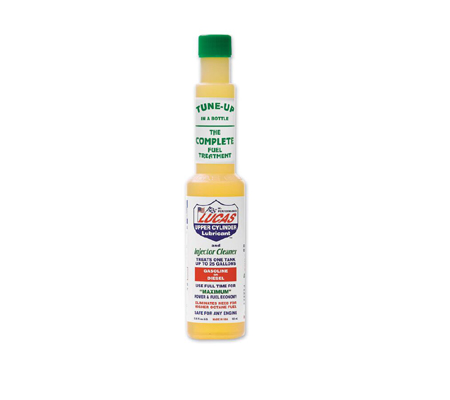
Lucas Fuel Treatment is the most versatile fuel oil additive. It is designed for upper cylinder lubricant to protect the lubricating properties. While it is less aggressive than Techron or BG44K in terms of deep cleaning, it excels at maintaining the clean system and protecting initial deposit formation. It is highly effective for equipment with high idle times, when low-temperature combustion often leads to soot accumulation.
- Sea Foam Motor Treatment (Best for Versatility & Carbon Removal)
Primary Category: Petroleum-based Solvents
Best For: Multi-purpose cleaning (Fuel, Oil and Fogging).
Sea foam has been a well-known fuel additive for decades because of its unique ability to liquefy gum and varnish. It is designed for 100% petrol engines and safely used in the fuel tank through a vacuum system for a “hot soak” intake cleaning.
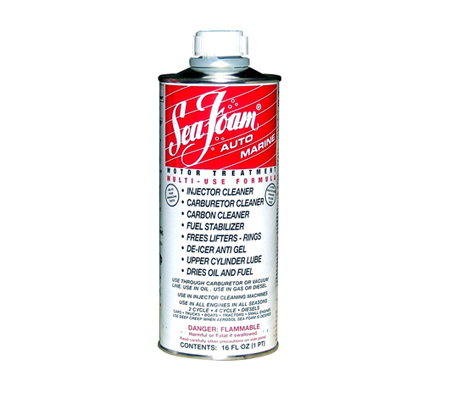
For heavy-duty operating machines utilising mechanical grab buckets and other auxiliary-powered units, Sea Foam is the first choice for stabilising fuel in small engines and standby generators that may sit idle for weeks.
Technical Comparison Table: Fuel Additives at a Glance
| Additive Product | Fuel / Engine Compatibility | Key Chemical Component | Primary Engineering Goal | Recommended Interval |
|---|---|---|---|---|
| Techron Concentrate Plus | Petrol / Gasoline | Polyetheramine (PEA) | Deep Carbon Removal (GDI) | 3,000 Miles / 4,800 KM |
| BG Platinum 44K | Petrol / Gasoline | Professional Detergent Blend | System Restoration | 10,000 Miles / 16,000 KM |
| Hot Shot’s Secret EDT | Diesel | LX4 Lubricity & Cetane | Lubricity & Power Boost | Every Fill-up |
| Lucas Fuel Treatment | Petrol / Diesel | Upper Cylinder Lubricants | General Maintenance | Every Fill-up |
| Sea Foam Motor Treatment | Petrol / Diesel | Petroleum-based Solvents | Varnish & Gum Liquification | As Needed / Oil Flush |
Are Fuel Additives Worth It?
Yes, High-quality fuel additives enhance the injector cleanliness and provide fuel lubricity, fuel stability, and combustion efficiency in modern engines. Also, it reduces the carbon deposits, injector clogging, fuel oxidation, cold-start problems, combustion knock, and diesel lubricity wear in light and heavy industrial machines.
How Fuel Additives Work?
Every additive listed above solves a separate chemical problem, and acknowledging the mechanism is what really determines which one you need.
PEA (Polyetheramine) detergents, used in Techron and other deep-cleaning products, work by adsorbing onto hot metal surfaces inside the injector and intake valve. Unlike simple solvents, PEA molecules do not evaporate at combustion temperatures. Instead, they form a thin protective film, which is why deep-cleaning additives are typically dosed at a longer interval than every fill-up.
Solvent-based cleaners that look like Sea Foam work more directly, physically liquefying gum, varnish, and carbon buildup via a hot soak process, where the solvent is drawn into the intake or fuel system and allowed to sit before the engine runs normally again. This process is faster-acting but less suited to routine, low-dose maintenance use.
Cetane improvers, used in diesel treatments like Hot Shot’s EDT, work by shortening the ignition delay—the time between fuel injection and the beginning of combustion—which translates into smoother, more complete combustion and reduced knock, which is also important in cold-start conditions.
Lubricity agents, typically ester- or fatty-acid-based, address a specific issue created by ultra-low sulfur diesel refining; removing sulfur also strips out much of diesel’s natural lubricating properties. Also, check more researched diesel fuel additives for your machine.
Demulsifiers work differently; rather than treating the fuel itself, they separate water that has condensed into or contaminated the fuel, allowing it to be captured by the water separator rather than passing through to the injectors.
Frequently Asked Questions
Fuel additives developed by reputable brands are chemically engineered to be sensor-safe. However, significant overdosing can cause problems such as fuel filter plugging if the additive dislodges heavy sludge or tank deposits too rapidly.
Yes. A cleaner utilizes high concentrations of detergents to actively remove existing carbon and deposit buildup. A treatment is typically a lower-concentration maintenance product designed for regular lubrication, moisture displacement, and fuel stability.
While Top Tier™ fuels provide better detergency than standard gas, they may not meet the demands of high-performance GDI engines or heavy-duty industrial machinery. Additives provide a necessary concentrated dose of protection that commercial fuel lacks.
No. Additives are preventative and restorative for chemical issues like varnish, carbon, and moisture. They cannot fix physical mechanical damage such as a broken fuel pump or worn injector needles.
Mixing brands in the same tank is not recommended. Combining different chemical packages (e.g., a solvent-based cleaner with a PEA-based cleaner) can lead to chemical fallout or reduced efficacy. Pro Industrial Specs recommends using one additive per tank for optimal results.