
The hydraulic excavators is the first machine of the modern construction and mining industry with 360-degree slew capability. It is featured with hydraulic actuators and turns from a simple backhoe to a powerful excavator to handle demolition, dredging, and precise lifting. At ProIndustrialSpecs, get the entire information about excavators, from kinematic capabilities to hydraulic horsepower.
What is a Hydraulic Excavator?
A hydraulic excavator is a type of heavy construction machinery that utilizes hydraulic fluid power—rather than mechanical cables and pulleys—to drive its boom, arm, and bucket. This hydraulic actuation offers excavators far greater digging force, precision, and control than older cable-operated designs.
How the Hydraulic System Works
At the core of the system, an engine-driven hydraulic pump pressurizes hydraulic fluid, which is then directed through control valves to the hydraulic cylinders at the boom, arm, and bucket joints. Extending or retracting these cylinders moves the respective parts of the machine. When the operator adjusts the joystick controls, the valves open, allowing fluid to flow and translating directly into digging motions.
The boom connects directly to the machine’s main body, providing the primary vertical lift and reach needed to pick up and drop objects. The dipper/arm extends the machine’s reach outward, while the bucket has its own dedicated hydraulic cylinder for curling and scooping. Coordinated together, these components allow the machine to dig, curl, load, and unload material in one fluid motion.
Hydraulic Excavator Specifications by Class
| Class | Operating Weight | Typical Use |
|---|---|---|
| Mini (compact) | 1-6 tons | Tight urban sites, landscaping, utility work |
| Mid-size | 7-20 tons | General construction, trenching, foundation work |
| Heavy | 20+ tons | Large earthmoving, mining, major infrastructure |
Hydraulic Excavator Fuel Consumption and Efficiency
Fuel efficiency is one of the most frequently searched topics regarding excavators. With recent news surrounding E20 ethanol-blended petrol and B20 biodiesel, understanding these factors is crucial, as alternative fuels directly impact ongoing project fuel costs and overall machine efficiency.
What Affects Fuel Consumption Per Hour?
The fuel consumption of a hydraulic excavator depends on its weight class, engine load, idle time, and the operator’s technique. To determine your actual operating costs, you can use online tools like a fuel consumption and cost calculator or a heavy machinery hourly cost estimator. Alternatively, you can calculate this manually by multiplying your specific machine’s consumption rate by local fuel prices.
Reducing Operating Costs on Hybrid and Standard Excavators
The most consistent way to reduce fuel costs is to minimize machine idle time. Additionally, you should match the machine’s size to the equipment being used, and keep the hydraulic system properly maintained and updated.
Hydraulic Excavators vs. Other Excavation Equipment
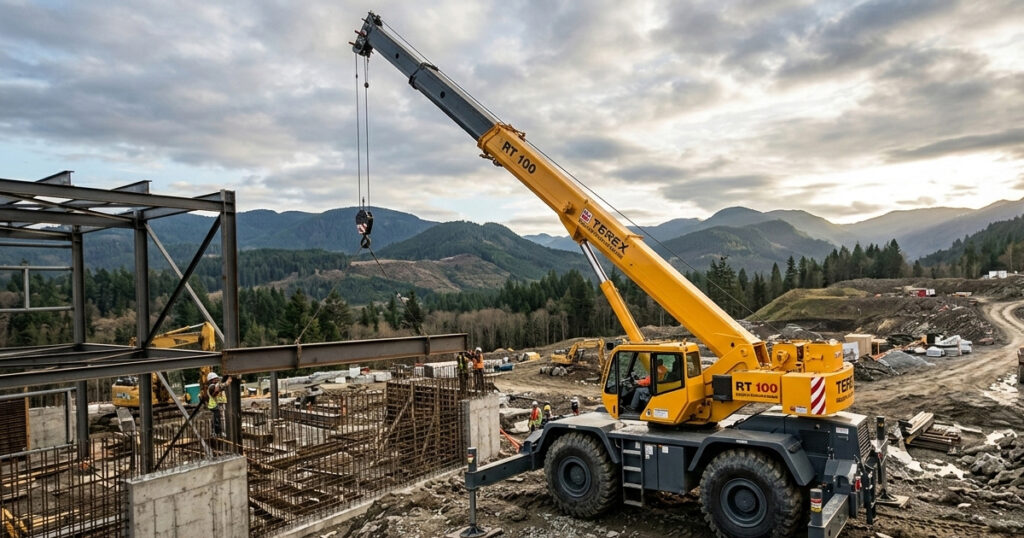
Hydraulic excavators are distinct from wheel loaders, crawler cranes, and piling rigs. For a detailed look at how excavators compare to rough-terrain lifting equipment in mixed-fleet planning, please check our guide on rough-terrain cranes.
Common Applications
- General construction: Excavation and trenching
- Foundation work: Basement digging and earthmoving
- Demolition: Structural tearing down (with appropriate attachments)
- Mining and quarries: High-volume material handling
- Utilities: Pipeline and cable installation
- Landscaping: Site grading and clearing
How to Choose the Right Hydraulic Excavator
Always match the excavator’s weight class to the specific demands of your project. Avoid using an oversized machine, as it will cost significantly more to run per hour in both fuel and maintenance. Always check the manufacturer’s specification chart and factor in any spatial or access constraints on the job site.
Primary Classifications: Crawler vs. Wheeled
For global procurement, ground bearing pressure (gbp) and site mobility are considered.
| Feature | Crawler Excavator (Tracked) | Wheeled Excavator |
|---|---|---|
| Undercarriage | Continuous Steel or Rubber Tracks | Rubber Tires with Stabilizers/Outriggers |
| Ground Pressure | Low (30 – 60 kPa) High Flotation |
High Concentrated at Tire Contact |
| Mobility & Speed | Slower (3 – 5 km/h); requires low-boy trailer | High (25 – 40 km/h); road-legal |
| Stability | Superior; no outriggers needed for 360° lift | Requires stabilizers for heavy lifting |
| Ideal Terrain | Soft soil, mud, steep slopes, mining | Paved roads, urban utility, hard yards |
Technical Performance Metrics (The Spec Sheet)
Considering the standards, technical specifications of the excavator values for a 20-ton.
Engine standard: US EPA Tier 4 Final/ EU Stage V (DEF/AdBlue).
Power: 120 KW – 150 KW (160hp – 200 hp).
Hydraulic Pressure: 350 bar (5,075 psi).
Pump Flow: 2×200 L/minin
Swing Torque: 60 – 75 kNm
Safety Standards: As per industries region.
Specialised Configurations
A. Long Reach Excavators (LRE)
Design: Boom and arm length reach from 15m to 30m (50ft – 100ft).
Intent: Dredging, Canal Cleaning, Demolition
Specification: Heavy-weight counterweight and restricted bucket size.
B. Ultra-High Reach Demolition (UHD)
Design: Maximum boom reach
Safety: Total moment indicators to prevent forward tipping.
Maintenance & Fluid Management (The “Pro” Standard)
| Component | Fluid / Media Type | Global Specification | Change Interval |
|---|---|---|---|
| Hydraulic System | Anti-Wear (High VI) | ISO VG 46 / 68 | 2,000 – 4,000 Hrs |
| Engine Crankcase | Heavy Duty Diesel Oil | API CK-4 (15W-40) | 500 Hrs |
| Final Drive / Slew | Extreme Pressure Gear Oil | API GL-5 (80W-90) | 1,000 Hrs |
| Swing Bearing | EP Lithium Grease | NLGI 2 (Moly-Based) | 50 Hrs / Daily |
| Hydraulic Filters | 10-Micron Absolute | Beta Ratio β10 ≥ 200 | 1,000 Hrs |
Excavator Productivity Suite
Engineering Standard: ISO 9248 Compliance
Hydraulic Attachments: Flow & Pressure Requirements
The excavator becomes more powerful when poweful attcahment mount is attached to it as follows:
Hydraulic Brekaer (Hammer): High pressure, moderate flow with return-line filter.
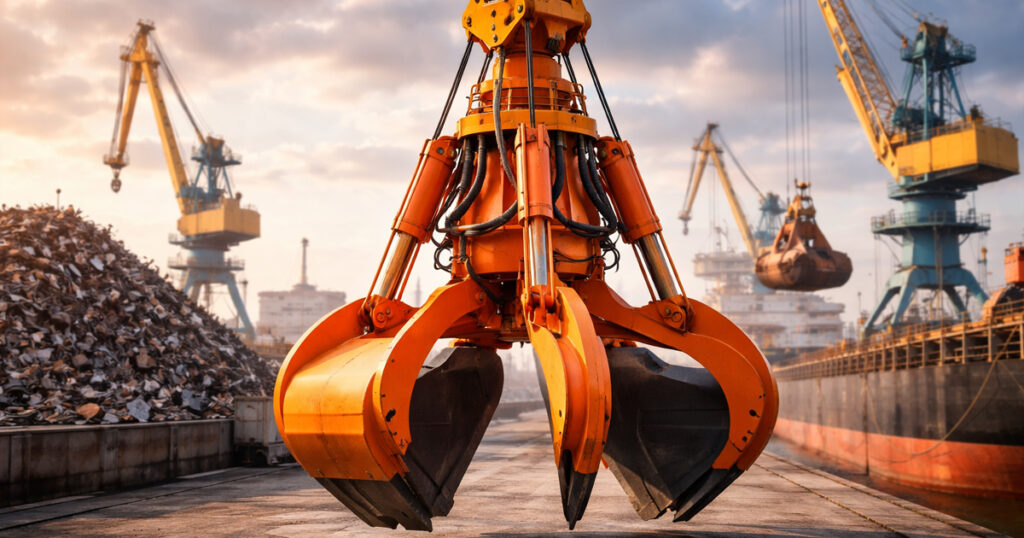
Grapples & Grabs: Hydraulic orange peel grabs with 360-degree rotational(optional).
Shears/Crushers: Maximum pressure 350+ bar for cutting force.